Our Heritage

A Manor Since 1449

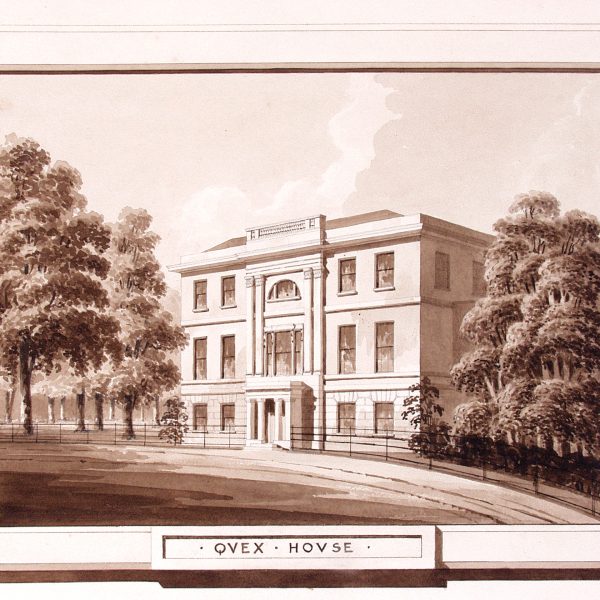
Quex House

There has been a manor house at Quex since 1449, when it was owned by John Quekes. The house seen today stands in a different location on the estate and is a modernised version of the 1816 design by Thomas Hardwick, commissioned by John Powell.

The Powell-Cotton family continued to renovate the property to create a comfortable family home. Today, half of Quex House is owned by the Powell-Cotton Trust (est. 1926) and is open to the public, while the remaining half remains privately owned by the family.

1914 - 1919

The Military Hospital

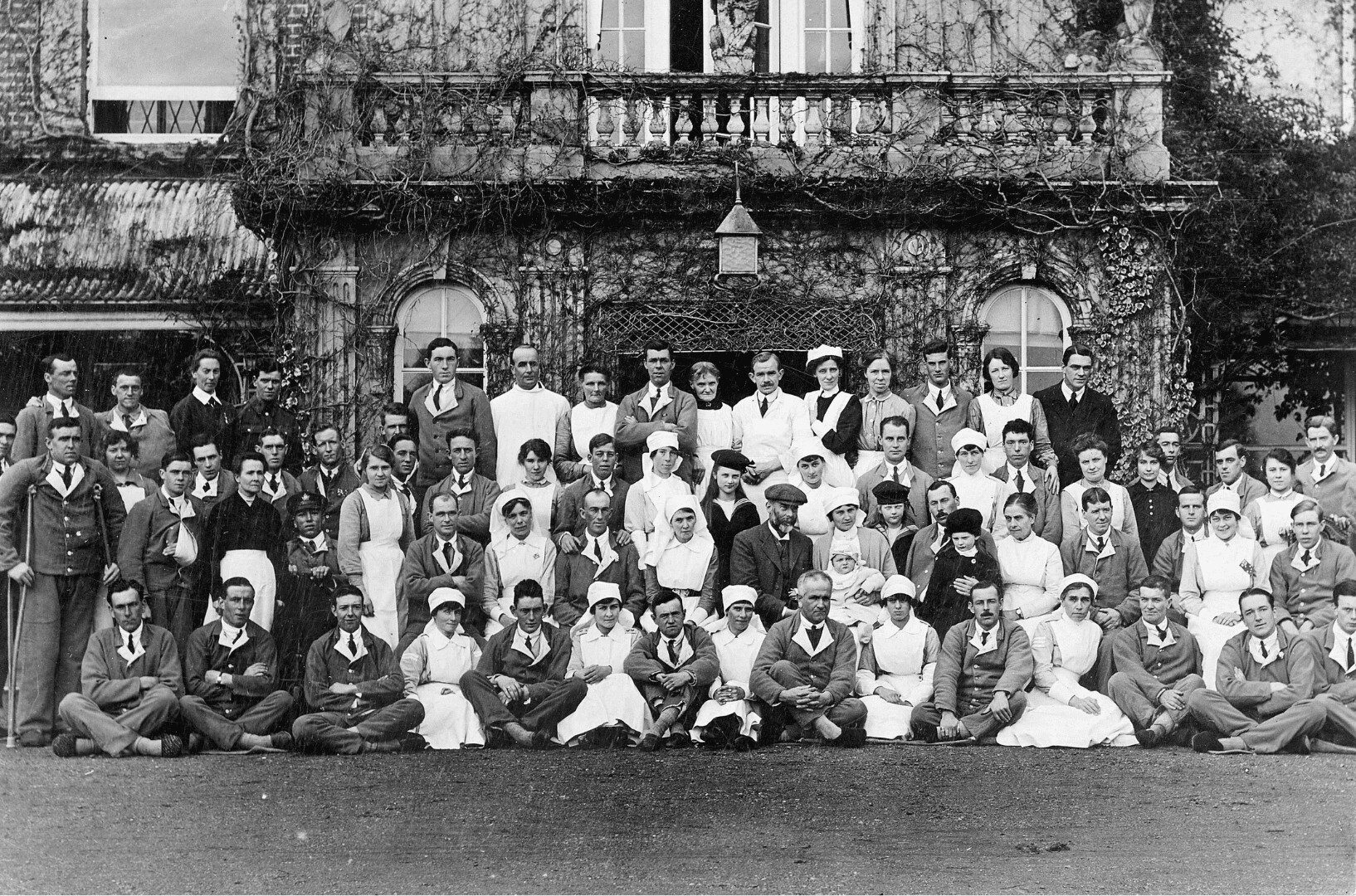
Quex House operated as a voluntary auxiliary military hospital during World War I, becoming an official Red Cross facility shortly after the war began in 1914. It treated wounded soldiers – Belgian, Australian, British and Canadian -until its closure in 1919.

The Powell-Cotton family vacated the house to allow it to serve the war effort, and it was staffed by the Kent Voluntary Aid Detachment.

The Towers of Quex

1814

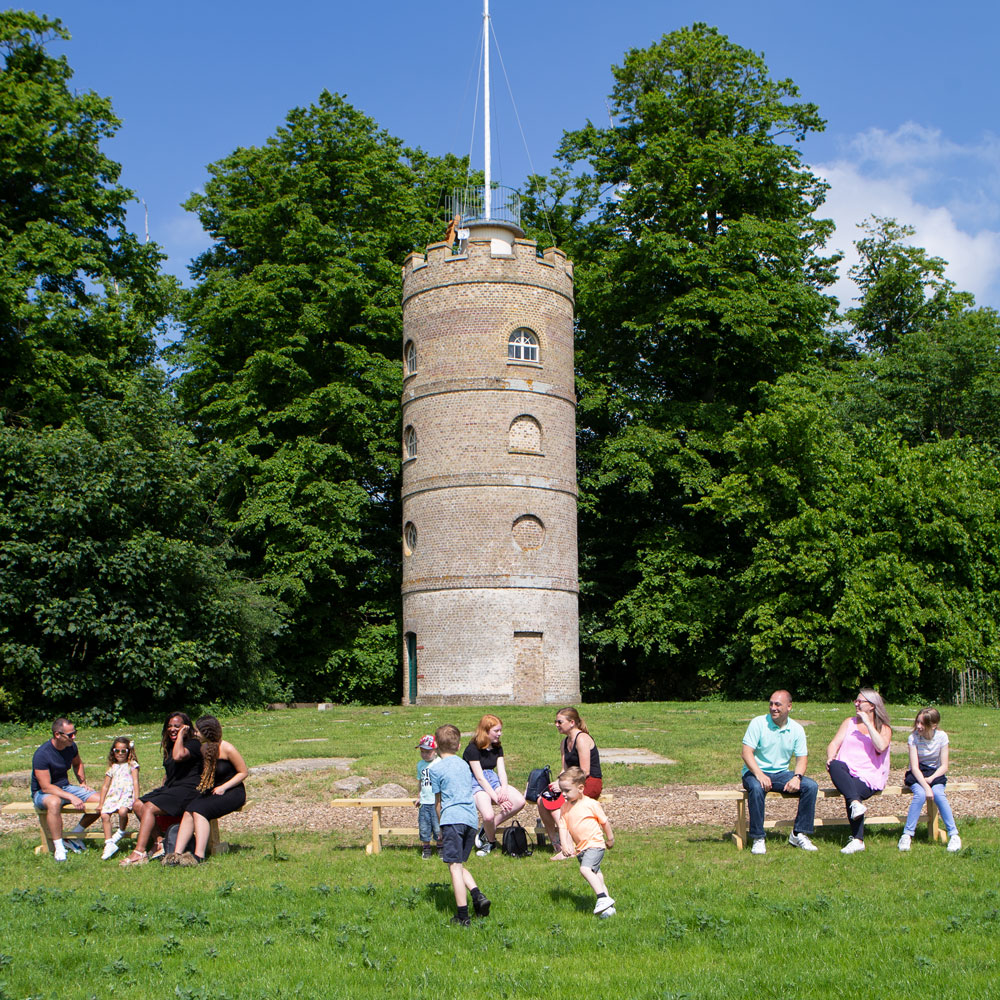
The Round Tower

Built in 1814 for John Powell Powell, an enthusiastic yachtsman and early member of the Cowes Yacht Club, the Round Tower served as an observation point and semaphore signalling post. Standing over 40 feet tall, it features a wooden winding staircase rising four floors to the flagpole.

The Legend of the "White Lady"

“Said to be the wife of an ancient warrior believed to be buried beneath the mound on which it stands.”

1819

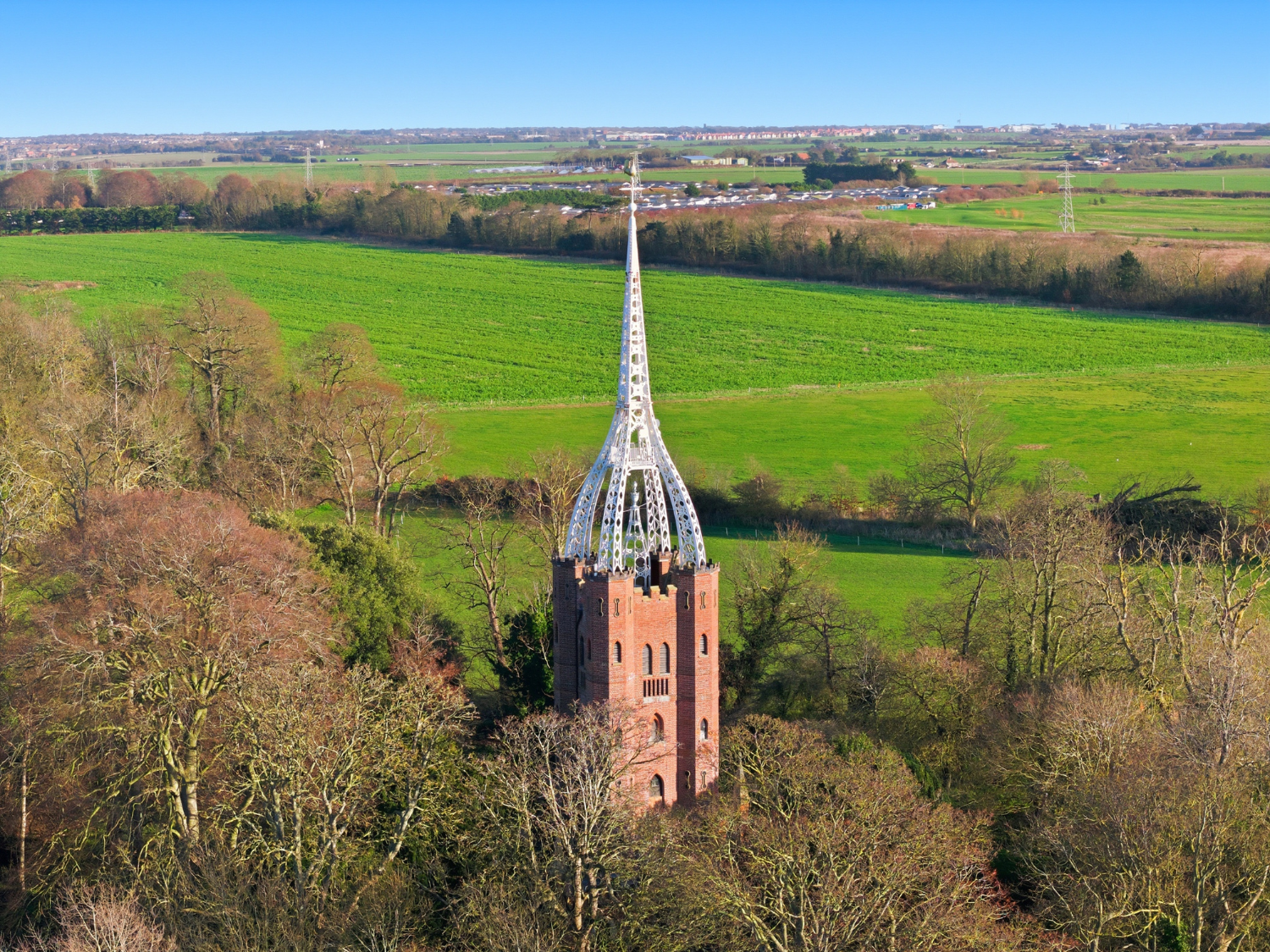
Waterloo Tower

The county’s first 12-bell tower, built in 1819 for John Powell Powell’s love of campanology. The original bells were cast by Thomas Mears of the Whitechapel Bell Foundry.

A cast-iron spire was added in 1820. In 1896, one room was consecrated as a family mausoleum. Today, the bells of Waterloo Tower are regularly rung by dedicated bellringers from the Quex Park Society.

1830

The Clock Tower

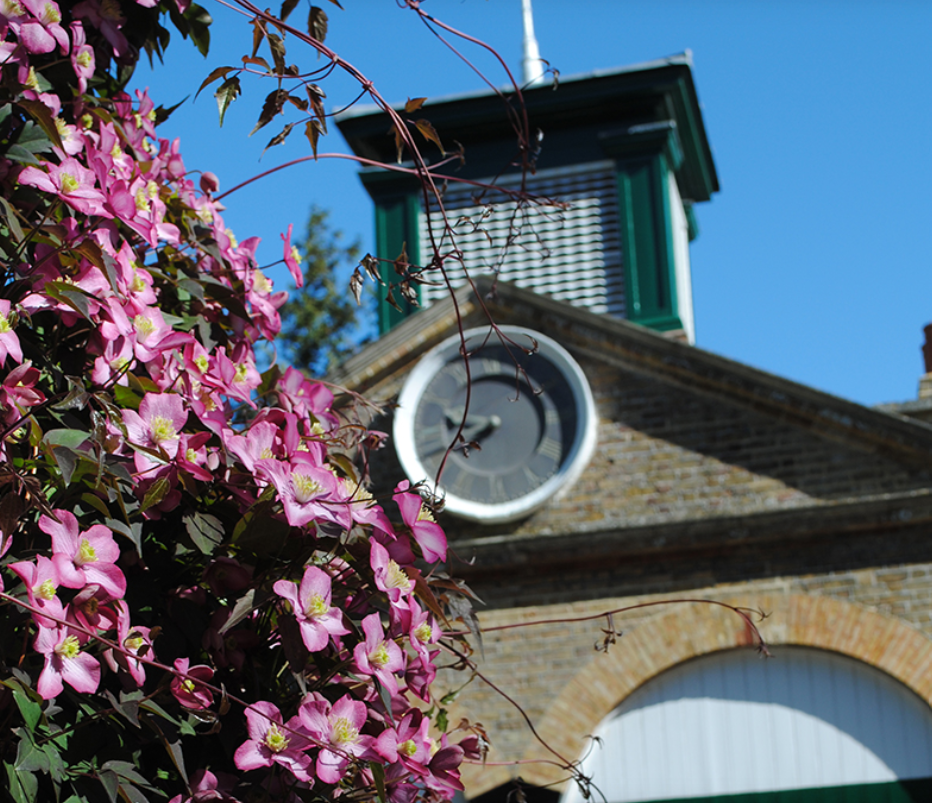
The Clock Tower, built c.1830, sits atop the Coach House, which houses the family chariot. The quarter-hour bells once served on John Powell Powell’s yachts, and the hour bell was formerly the tenor bell of St Mildred’s Church in Canterbury.

The turret clock was made by Benjamin Lewis Vulliamy (1780–1854), the Queen’s clockmaker. Installed in 1837, it is numbered Vulliamy London No. 1344.

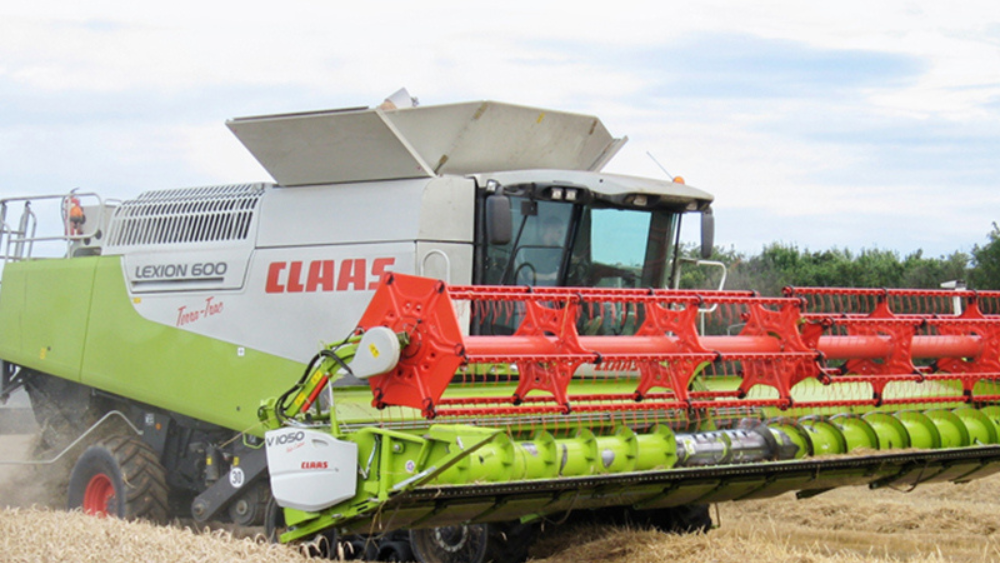
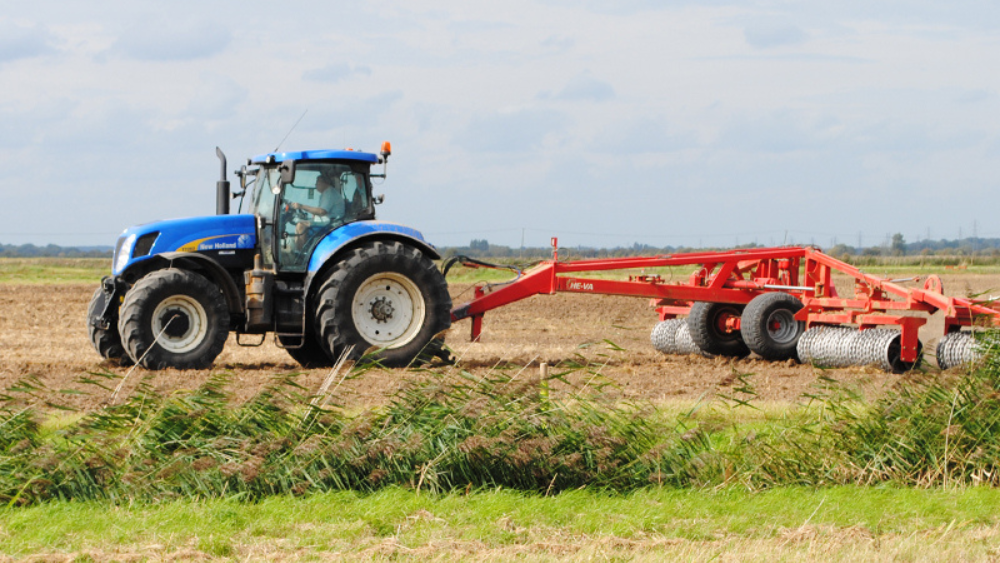
Quex Estate farms 1,400 acres in-house and manages a further 1,200 acres through agreements. Main crops include wheat, oilseed rape, potatoes, oats, fava beans and maize silage. A single herd of Sussex cross cattle grazes the marshland.

The Estate is a member of the Nature Friendly Farming Network and uses practices such as sowing cover crops. Around 25 years ago, the Estate stepped away from vegetable production, but vegetable growing is now returning.