Nestled in the rolling countryside near Birchington-on-Sea in Kent, Quex Park stands as a testament to more than seven centuries of English history, evolving from a medieval estate into a celebrated cultural landmark. Its fascinating journey reflects not only changes in land ownership and architectural fashion, but also the curiosity and ambition of one remarkable family whose influence continues today.
The earliest records show a manor on this land dating back to the 15th century, when the estate first gained its name from the Quekes family, wealthy wool merchants who gave the property its enduring title. While earlier references point to even older origins, it was John Quekes who established the residence here in 1449, setting the stage for generations of development.
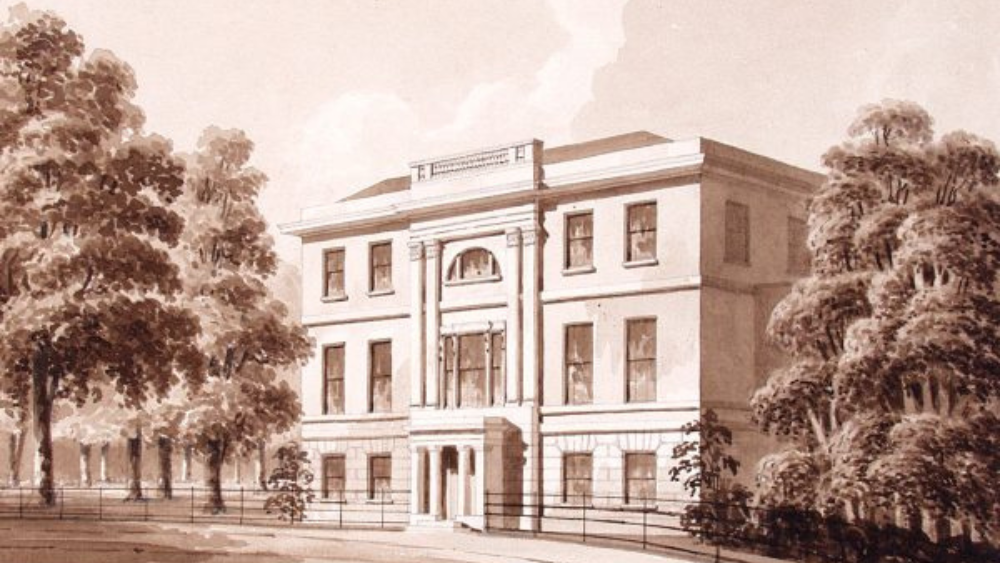
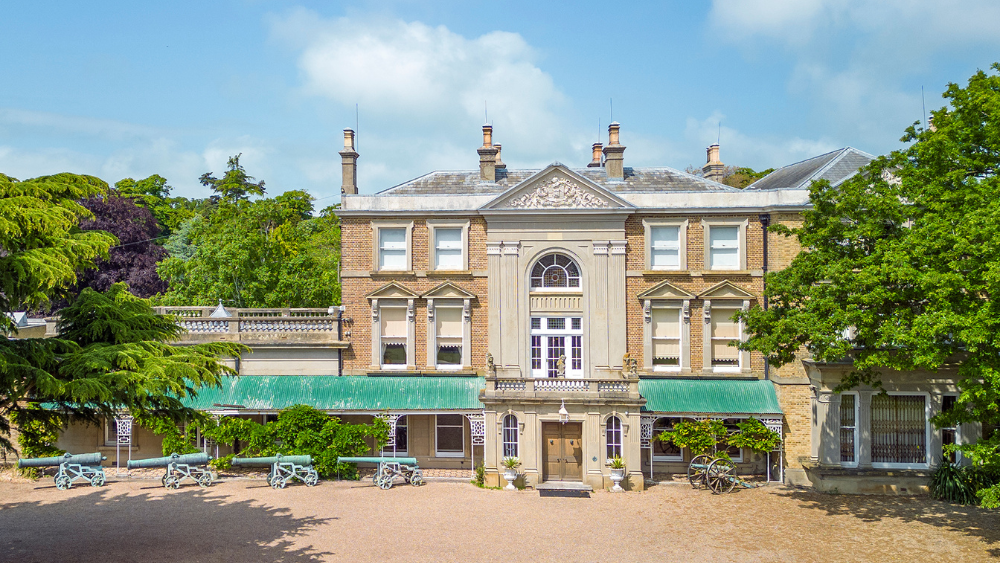
Over the centuries, Quex changed hands among several prominent Kentish families, each leaving subtle marks on its buildings, lands and gardens. However, the estate entered its defining era in the late 18th century when John Powell acquired the property in 1777. Though Powell himself died without heirs, the estate passed through his nephews—Arthur Annesley Roberts and then John Powell Roberts (who adopted the Powell name)—who transformed Quex into the landscape we recognise today. Between 1808 and 1813, John Powell Powell rebuilt the manor as a graceful Regency mansion, initiated extensive tree planting, and began crafting the scenic parkland that frames the house.
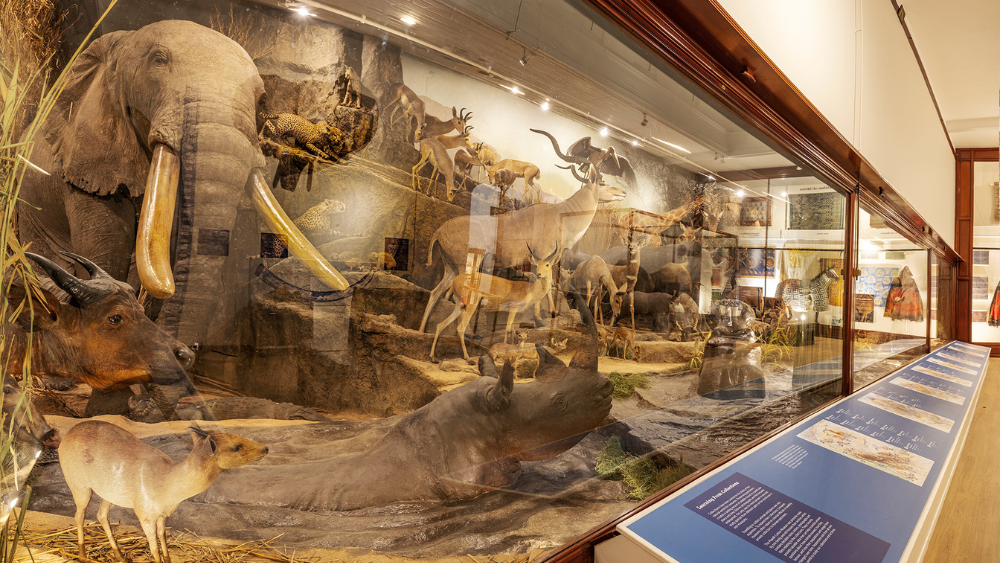
The most enduring chapter in Quex’s story began with Major Percy Horace Gordon Powell-Cotton (1866–1940). Inheriting the estate in 1894, Percy was a passionate explorer, naturalist and early conservation thinker. Between the late 1800s and 1930s he undertook numerous scientific expeditions to Africa and Asia, amassing extensive collections of mammal specimens and cultural artefacts. Rather than simply housing these treasures in private rooms, he envisioned a space of education and discovery. In 1896, he established what became the Powell-Cotton Museum at Quex Park, initially as a single pavilion to display his growing collection of natural history and ethnography.
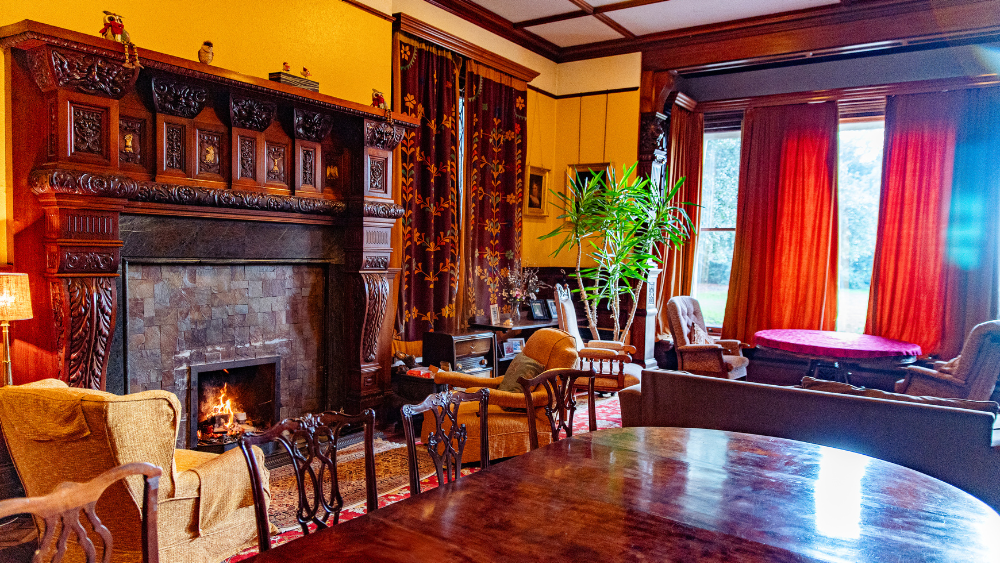
Throughout the turmoil of the 20th century, Quex played varied roles: the house served as an auxiliary hospital in the First World War, and the family continued to steward the estate through social and economic change. Later generations of the Powell-Cotton family have maintained this legacy, opening more of the house and gardens to the public and ensuring that Quex remains both a historic treasure and a vibrant cultural centre.
Today, Quex Park blends its rich heritage with contemporary appeal, offering visitors a unique glimpse into centuries of English life, natural history, and global exploration. Whether exploring the museum galleries, wandering through historic gardens, or contemplating the bells of Waterloo Tower, each corner of Quex speaks to a layered past shaped by curiosity, stewardship, and imagination.